
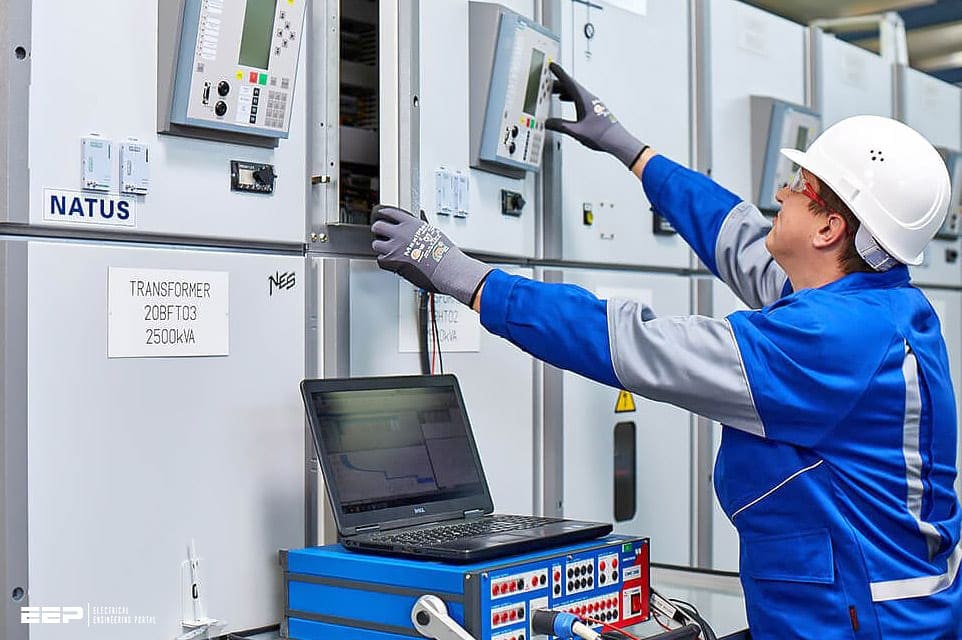

Large facilities depend on electricity every minute. Machines run production lines. Control panels manage operations. Lighting, cooling, safety systems, everything depends on stable power.
In the middle of that network you will usually find circuit breakers quietly doing their job. They sit inside electrical panels most of the time without doing much. Just there in the background.
But when the current suddenly rises beyond safe limits, the device disconnects the circuit. That quick action helps prevent damage. Power stops before the system gets damaged. It sounds simple. But in a busy industrial setup that small action can prevent a very large problem.
Situations where electrical overloads can occur
Electrical overloads are not rare in industrial environments. They happen more often than many people expect.
A few situations that often lead to electrical stress include:
- Heavy equipment starting simultaneously
- Damaged insulation in cables
- Unexpected wiring faults
- Too many devices connected to one distribution line
- Sudden spikes in demand during peak operations
When these conditions appear, the protection system reacts quickly. It cuts the flow before heat builds inside the electrical network.
And honestly, that quick reaction is what keeps many systems running safely day after day.
Monitoring and interruption of dangerous current flow
Protection equipment does not just sit idle. It constantly monitors how much electricity is moving through the circuit. The process happens very fast. Often within fractions of a second.
But here is the interesting part. Sometimes the system responds even when the issue is not obvious to operators. Small irregularities in current flow can still trigger protection. That cautious response helps avoid larger failures later.
Applications inside factories infrastructure and utilities
Protection systems appear across many types of facilities. Any place that distributes large amounts of electricity usually includes multiple protection layers.
Common environments include:
- Manufacturing plants
- Warehouses with automated systems
- Data processing facilities
- Processing plants in heavy industries
- Large commercial buildings with complex power panels
In these environments electrical faults cannot be allowed to spread. A single failure should stay isolated. That is often the goal engineers aim for while designing the system.
So different sections of the network include separate protection points.
Maintenance habits that keep electrical systems dependable
Typical checks include:
- Examining connections and internal contacts
- Ensuring mechanical parts move correctly
- Running functional tests to confirm operation
- Removing dust or debris inside panels
- Reviewing operating records if monitoring systems exist
Sometimes everything looks perfect during inspection. Other times small wear signs appear. Either way, routine checks keep the system dependable.
And honestly, most technicians will say prevention is easier than dealing with a full electrical shutdown.
Planning safer industrial electrical networks
Electrical protection is usually planned long before a building becomes operational. Engineers study the expected load, equipment types, and possible fault conditions.
From there they design a distribution network that includes multiple safety layers. Different panels, isolation points, and monitoring systems work together to keep electricity under control.
Inside that structure, circuit breakers act as the frontline protection. They separate unsafe electrical flow before it travels through the entire system.
And when you think about how much equipment depends on stable electricity in modern facilities, that role becomes quietly important.
Reliable protection may not always be visible. But it is one of the reasons industrial power systems continue operating safely every day.
Top of Form
Another aspect people sometimes overlook is how electrical systems change over time. Facilities expand, new machines get installed, and energy demand slowly increases. What worked for the original design might not perfectly match the current load years later. Because of that, protection devices often become part of system upgrades as well. Engineers review how electricity moves through the building and adjust protection levels if needed. In many cases it help create flexible electrical layouts where new equipment can be added without redesigning the entire network. It is not always dramatic work. But these small adjustments quietly keep large operations stable.