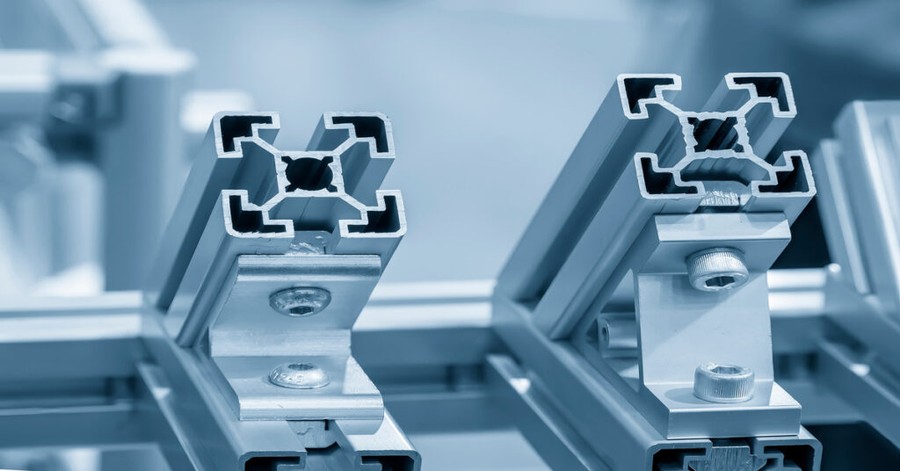

T-slot aluminium profile systems are widely used across UK manufacturing, automation and engineering environments. Their modular design makes them ideal for machine frames, workstations, guarding and conveyors. However, while these systems are flexible, poor design choices at the planning stage can lead to structural issues, unnecessary costs and reduced performance.
Understanding the most common mistakes helps ensure aluminium profile frameworks deliver the durability and adaptability they are designed for.
Underestimating Load Requirements
One of the most frequent design errors is failing to accurately assess loads. While aluminium profiles offer an excellent strength to weight ratio, they must be specified correctly for the intended application.
Designs often run into problems when:
- Profiles are undersized for static or dynamic loads
- Moving equipment loads are not considered
- Safety factors are overlooked
This can result in frame deflection, vibration or premature wear. Correct load calculations at the outset help prevent costly redesigns later.
Using Too Few Connection Points
The strength of a T-slot structure is heavily influenced by how it is connected. Relying on minimal fixings may speed up assembly initially, but it often compromises rigidity.
Common issues include:
- Insufficient corner connectors
- Over reliance on friction rather than mechanical fixing
- Inadequate bracing for larger frames
Strategic use of connectors and brackets distributes loads more evenly and significantly improves structural stability.
Ignoring Future Expansion or Modification
One of the key advantages of aluminium profile systems is modularity, yet many designs fail to account for future changes. Frames are sometimes built to exact current requirements, leaving no room for expansion.
This can limit:
- Additional equipment installation
- Line extensions or reconfiguration
- Process optimisation over time
Allowing for extra slots, modular sections or adaptable mounting points can extend the lifespan of a structure and reduce future costs.
Overlooking Alignment and Tolerances
Precision matters when building with aluminium profiles. Poor alignment during assembly can affect both performance and appearance.
Typical mistakes include:
- Not checking squareness during build
- Uneven tightening of fasteners
- Misaligned profiles causing stress points
Even small alignment issues can impact machine operation, guarding effectiveness or component lifespan.
Selecting Incompatible Accessories
T-slot systems rely on a wide range of accessories such as fasteners, brackets, feet and panels. Mixing incompatible components or using generic fixings can weaken the structure.
Designers should ensure:
- Accessories match the profile series
- Fixings are rated for industrial use
- Panels and infills are correctly supported
Those planning a project often review available aluminium profile systems and compatible accessories early to avoid specification issues later on.
Skipping Proper Planning and Documentation
Rushing into assembly without a detailed design plan is another common pitfall. Aluminium profile systems may look simple, but complex frames benefit from clear documentation.
Lack of planning can lead to:
- Material shortages or excess waste
- Assembly delays
- Inconsistent build quality
Basic drawings, cut lists and connector layouts help streamline installation and reduce errors on site.
Frequently Asked Questions
Are aluminium profile systems forgiving if mistakes are made?
They are more forgiving than welded steel, as components can be adjusted or replaced, but poor initial design still leads to inefficiencies.
Can a poorly designed frame be strengthened later?
Often yes, by adding bracing, connectors or larger profiles, though this may increase cost and downtime.
Do T-slot systems require specialist design software?
Not necessarily, but CAD tools can help ensure accurate sizing, alignment and load distribution.
Is professional design advice recommended?
For complex or load bearing structures, experienced design input can help avoid costly mistakes.
Final Thoughts
T-slot aluminium profile systems offer flexibility and efficiency, but their performance depends heavily on good design decisions. Avoiding common mistakes such as undersizing profiles, poor connections and lack of future planning helps ensure structures remain stable, adaptable and cost-effective.
With careful specification and thoughtful layout, aluminium framing can deliver long-term value across a wide range of UK industrial applications.