
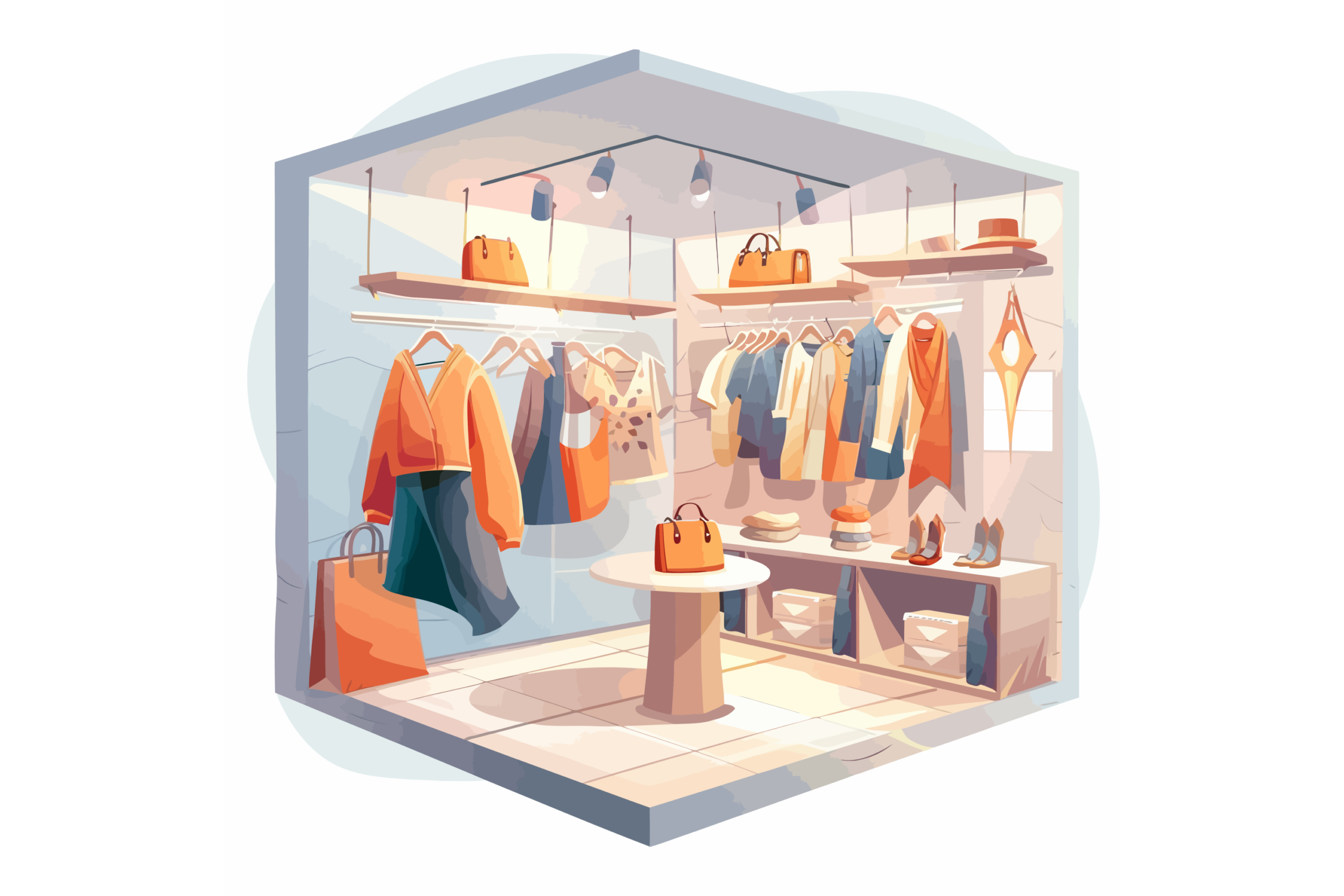

In today’s competitive marketplace, physical shops face significant pressure to differentiate themselves from online shopping experiences. The strategic arrangement of products within a store serves as a powerful tool to capture customer attention and drive measurable sales growth.
Research reveals compelling statistics about consumer behaviour. Seventy-three percent of shoppers indicate that their in-store experience is a key factor in purchase decisions. A further sixty-five percent stated that positive experiences influence them more than traditional marketing efforts.
Well-organised product presentations transform casual browsers into committed purchasers. They communicate brand stories effectively and create memorable shopping environments. This approach benefits businesses of all scales, from independent retailers to established chains.
The financial impact is substantial. Consumers spend an average of £151 per month on impulse purchases. This demonstrates how thoughtful visual merchandising can significantly influence purchasing behaviour and deliver measurable returns through increased foot traffic and enhanced conversion rates.
Key Takeaways
- Seventy-three percent of shoppers consider in-store experience crucial for purchase decisions
- Positive shopping experiences influence customers more than traditional marketing for sixty-five percent of consumers
- Strategic product arrangement serves as a sophisticated marketing instrument
- Consumers average £151 monthly on impulse purchases, highlighting display importance
- Effective visual presentations can transform casual browsers into committed purchasers
- Well-designed shop layouts benefit both independent retailers and established chains
- Investment in professional display strategies delivers measurable returns through increased conversions
Introduction to Retail Display Strategy
A powerful retail display strategy forms the bedrock of any successful physical store. It creates an immediate and lasting impression on potential customers. This approach is a fundamental component of modern retail marketing.
Overview of Impactful Store Displays
An effective display does more than just hold products. It tells a story and shapes the entire customer experience. Research shows that 76% of consumers have entered unfamiliar stores purely because of attractive signage and presentations.
This visual appeal is crucial for business success. It transforms a simple transaction into a memorable event. A well-planned layout guides shoppers naturally through the space.
The Role of Visual Merchandising in Sales
Visual merchandising plays a critical role in driving sales performance. It is a strategic tool that influences customer behaviour at every touchpoint. Strategic placement and presentation can significantly boost conversion rates.
This discipline connects marketing efforts directly to sales outcomes. It ensures that every visual element serves a purpose. The goal is to create a cohesive journey from attraction to purchase.
Studies indicate that 91% of consumers report positive brand experiences create positive feelings about brands, whilst 85% are more likely to make purchases as a direct result.
Ultimately, a sophisticated retail display strategy is an investment that yields measurable returns. It builds brand recognition and fosters customer loyalty over time.
Understanding Consumer Psychology in Retail Spaces
Human psychology plays a fundamental role in how customers navigate retail environments. Research into shopping behaviour reveals predictable patterns that influence purchasing decisions. Understanding these psychological triggers helps create displays that feel intuitive to shoppers.
How Shopper Behaviour Influences Display Design
Sight dominates human information processing at 83%. This makes visual presentation crucial for capturing customer attention. Retail displays must prioritise visual impact above other sensory elements.
Studies show 90% of shoppers turn right upon entering stores. This creates a natural “power wall” opportunity on the front right side. Strategic placement here maximises product exposure.
The average visual field extends 45 degrees up or down from eye level. Products outside this range receive less attention. Signage placed too low becomes difficult for customers to read.
| Sensory Channel | Percentage of Information Processing | Retail Application |
|---|---|---|
| Sight | 83% | Primary focus for display design |
| Hearing | 11% | Background music, product demonstrations |
| Smell | 3.5% | Ambient scents, product sampling |
| Touch | 1.5% | Interactive displays, product handling |
| Taste | 1% | Food sampling, limited application |
Impulse purchases average £151 monthly per consumer. Displays that reduce decision barriers encourage spontaneous buying. Emotional connections through display storytelling boost engagement.
Integrating psychological insights creates environments that extend browsing time. This approach increases conversion rates measurably. The retail environment becomes a strategic tool guiding natural customer flow.
Essential Elements of Effective Visual Merchandising
Colour, layout, and signage form the visual trinity that shapes customer perception. These core elements work together to create compelling retail display environments. A thoughtful design approach ensures every component serves a purpose.
Utilising Colour, Signage and Layout
Strategic colour selection leverages psychological associations. Different colours communicate distinct brand messages and influence purchasing behaviour.
| Colour | Psychological Association | Ideal Application |
|---|---|---|
| Red & Yellow | Creates urgency | Promotional display areas |
| Blue | Suggests trust | Financial products |
| Green | Inspires calm | Natural or sustainable offerings |
| Black | Projects luxury | High-end brand positioning |
Signage functions as a critical information delivery system. It guides customers through spaces and highlights product benefits.
Illumination for in-store signage should be double or triple ambient light levels. This ensures proper visibility and impact from various distances.
Thoughtful layout design creates intuitive customer flow patterns. It strategically positions products to encourage exploration.
Creating a Cohesive Brand Experience
Every visual element must work harmoniously. From colour palettes to font selections, consistency reinforces brand identity.
This creates a cohesive experience that distinguishes retailers from competitors. Balancing minimalist approaches with storytelling elements communicates personality.
Essential product information and calls-to-action remain clear. The entire retail display system supports the overall brand messaging.
Key Strategies in Designing Retail and Hobby Displays for Maximum Impact
The arrangement of merchandise serves as a silent salesperson, communicating value before any interaction occurs. Successful implementation requires balancing immediate visual appeal with practical considerations for long-term use.
Techniques to Captivate and Guide Customers
Establishing a clear visual hierarchy is essential. Place brand attributes at the top of available space to ensure shoppers’ eyes land on key information first. This approach helps guide customers through product benefits logically.
Material selection impacts both durability and sustainability. Considerations should include:
- Robustness to withstand busy shop environments
- Eco-friendly options for environmental responsibility
- Versatility for multiple applications
- Easy cleaning for maintenance efficiency
Strategic grouping encourages multiple purchases. Thematic arrangements help customers envision complete solutions rather than individual items. This technique simplifies decision-making while increasing transaction values.
For hobby environments, displays must balance inspiration with technical details. Enthusiast customers seek both aspirational imagery and practical specifications. Cross-selling opportunities should be naturally integrated.
Regular updates maintain freshness. Implement rotation schedules and seasonal adaptations to keep presentations relevant. Testing different configurations provides valuable performance data for continuous improvement.
Innovative Technology and Digital Integration in Store Displays
Interactive technology represents the next evolution in engaging shoppers within physical retail spaces. Traditional static presentations are being replaced by dynamic systems that capture customer attention more effectively.
Enhancing Engagement with Interactive Elements
QR codes, touchscreens, and motion sensors transform passive viewing into active participation. These interactive elements encourage customers to explore products more deeply.
Self-service kiosks provide detailed information without staff assistance. Digital wayfinding systems help navigate larger store spaces efficiently.
Leveraging Digital Signage and Dynamic Content
Digital displays offer significant advantages over traditional signage. They can present multiple messages over time, adapting to different customer demographics.
Video walls create impressive visual focal points that enhance the shopping experience. Content can be updated instantly based on inventory levels or promotions.
This technology integration provides valuable data about customer interaction patterns. Retailers can analyse dwell time and engagement rates to optimise their display strategies.
The most effective approach blends traditional physical elements with digital enhancements. This creates hybrid experiences that leverage both tactile appeal and electronic flexibility.
Expert Insights and Practical Tips for Retail Success
Industry expertise provides invaluable guidance for optimising in-store presentations. Professional insights help retailers avoid common pitfalls while maximising customer engagement. This knowledge transforms theoretical concepts into practical solutions.
Advice from Plexico UK
Specialist providers like Plexico UK emphasise the importance of thorough planning. Their approach combines strategic thinking with practical implementation. This ensures every element serves a clear purpose.
Material selection deserves careful consideration. Durable substrates withstand busy environments while maintaining visual appeal. Easy-cleaning surfaces reduce maintenance demands over time.
Best Practices for Prototyping and Testing
Prototype development represents a crucial investment. It allows teams to visualise concepts in three dimensions. This process identifies potential issues before full production.
Testing customer interactions provides valuable data. Observing how shoppers engage with displays reveals improvement opportunities. Refining messaging and functionality becomes more effective.
Strategic placement decisions significantly influence results. Even excellent designs fail in poor locations. High-traffic areas with clear sight lines deliver optimal performance.
Brand consistency remains essential across multiple installations. Coherent messaging reinforces core attributes while allowing adaptations. This balance maintains identity without sacrificing flexibility.
Adapting to the Changing Retail Environment and Immersive Designs
E-commerce’s rapid expansion over the past decade has compelled brick-and-mortar establishments to redefine their purpose and value proposition. Physical stores must now create compelling reasons for consumers to visit rather than shop online. This evolution demands innovative approaches to in-store presentation.
Industry Trends from Plexico
Specialists like Plexico recognise that successful retail displays must create immersive, multi-sensory experiences. These engage shoppers in ways digital shopping cannot replicate. Tactile product interaction and atmospheric environments become essential differentiators.
Forward-thinking retailers are designing spaces that blur boundaries between physical and digital shopping. They incorporate mobile app integration and virtual try-on capabilities. Seamless transitions between online browsing and in-store purchasing enhance the customer journey.
Integrating In-Store and Online Experiences
Consumers now expect consistency across all brand touchpoints. Messaging, visual identity, and service quality must remain cohesive. This applies whether customers interact online, through mobile devices, or within physical store environments.
Successful retailers allocate resources to creating Instagram-worthy displays and shareable moments. These extend marketing reach beyond immediate shoppers to their social networks. Customers effectively become brand ambassadors through this approach.
Adapting to the changing retail environment requires ongoing investment in understanding consumer preferences. Monitoring competitive innovations and maintaining flexibility ensures display strategies evolve with shopping behaviours.
Conclusion
Mastering the art of product presentation requires a holistic approach that integrates multiple disciplines for optimal customer engagement. This comprehensive strategy transforms ordinary shopping trips into memorable brand experiences.
Successful implementation depends on strategic placement decisions. Window arrangements and eye-level positioning play crucial roles in capturing target shopper attention. Consistent brand messaging across all elements reinforces core identity.
The retail landscape evolves continuously, demanding adaptable strategies. Businesses must monitor trends and refine approaches based on performance data. This ongoing process compounds effectiveness over time.
By applying the principles discussed, retailers create compelling destinations. Their stores become spaces where products transform into must-have items. This approach delivers measurable sales increases and strengthens market position.
FAQ
What is the primary goal of a good store display?
The main aim is to capture attention and guide customers. A well-designed arrangement stops shoppers, highlights key items, and makes the brand memorable. It turns browsing into a compelling experience that encourages sales.
How does colour influence a retail display?
Colour plays a vital role in setting a mood and drawing the eye. Strategic use of brand colours creates a cohesive look. Contrasting shades can make specific products stand out, influencing shopper behaviour and purchase decisions.
Why is signage so important in visual merchandising?
Effective signage provides crucial information and reinforces marketing messages. It helps customers navigate the space, understand promotions, and connect with the brand story. Clear, attractive signs are essential for communication.
What are some simple tips for creating impactful hobby displays?
Focus on storytelling and theme to create an emotional connection. Use varied heights and levels to add interest. Ensure products are easily accessible and that the overall design reflects the passion of the hobby, making it engaging for enthusiasts.
How can technology enhance a retail environment?
Integrating digital elements, like interactive screens or dynamic content, boosts engagement. These tools can provide additional product information, offer personalised experiences, and create a modern, immersive shopping journey that blends online and in-store elements.
What common mistakes should retailers avoid with their displays?
A frequent error is overcrowding, which can overwhelm shoppers. Neglecting to regularly refresh arrangements leads to stagnation. It is also crucial to ensure the design aligns with the target audience’s expectations and the overall brand identity.