
Key Takeaways
- ISO-certified quality systems ensure consistent compliance in medical machining.
- Traceability and material control protect product safety across production stages.
- Cleanroom handling prevents contamination before final device assembly.
Introduction
Precision engineering companies in Singapore play a critical role in medical device machining, where even the smallest deviation can affect safety and performance. In many production environments, teams work with components that must fit precisely within complex assemblies, which leaves no room for error. As healthcare standards tighten, manufacturers must meet specific requirements that go beyond general machining practices and extend into documentation, validation, and handling procedures. These expectations influence how materials are sourced, how components are produced, and how final parts are prepared before delivery. Many businesses involved in contract manufacturing in Singapore rely on these structured standards to maintain consistency and meet strict medical industry requirements. Businesses seeking reliable partners need to understand the standards that define quality in this sector, as these benchmarks directly affect compliance, product reliability, and long-term usability in clinical settings. As manufacturing outsourcing in Singapore continues to grow within the medical sector, companies increasingly prioritise partners with proven quality systems and traceability processes.
1. ISO 13485 Certification for Quality Systems
Medical device production requires a dedicated quality management system that aligns with regulatory expectations across different stages of manufacturing. ISO 13485 certification demonstrates that a company follows structured processes designed specifically for medical applications. This includes maintaining detailed documentation, applying risk management principles, and validating production methods consistently. When a provider maintains this certification, it indicates that quality control operates throughout the workflow rather than as a final inspection step. This continuous approach supports consistent output and reduces the likelihood of defects progressing to later stages. It also ensures that any changes in process or material are properly recorded and reviewed, which strengthens overall accountability.
2. Full Material Traceability and Batch Control
Traceability ensures that every component can be linked back to its original material source, which remains essential in medical device machining. Each part must carry a documented history that records how it moves through each stage of production. This includes identifying the origin of raw materials, tracking processing conditions, and recording any modifications applied during manufacturing. When issues arise, this level of detail allows manufacturers to isolate affected batches quickly and take corrective action without disrupting the entire production line. Precision engineering companies in Singapore rely on structured traceability systems to maintain control over quality and compliance. Without this process, it becomes difficult to verify consistency or meet regulatory expectations.
3. Biocompatible Surface Finishing Processes
Surface finishing plays an important role in how medical components interact with their environment, particularly when they come into contact with biological systems. Processes such as passivation and electropolishing remove contaminants and enhance corrosion resistance, which helps maintain the integrity of the material over time. These treatments also ensure that surfaces remain smooth and free from residues that could affect performance. Providers must validate these processes to confirm that finished components meet required standards for safety and durability. When surface finishing is handled correctly, it reduces the risk of contamination and supports consistent performance in demanding conditions.
4. Micron-Level Tolerance Control
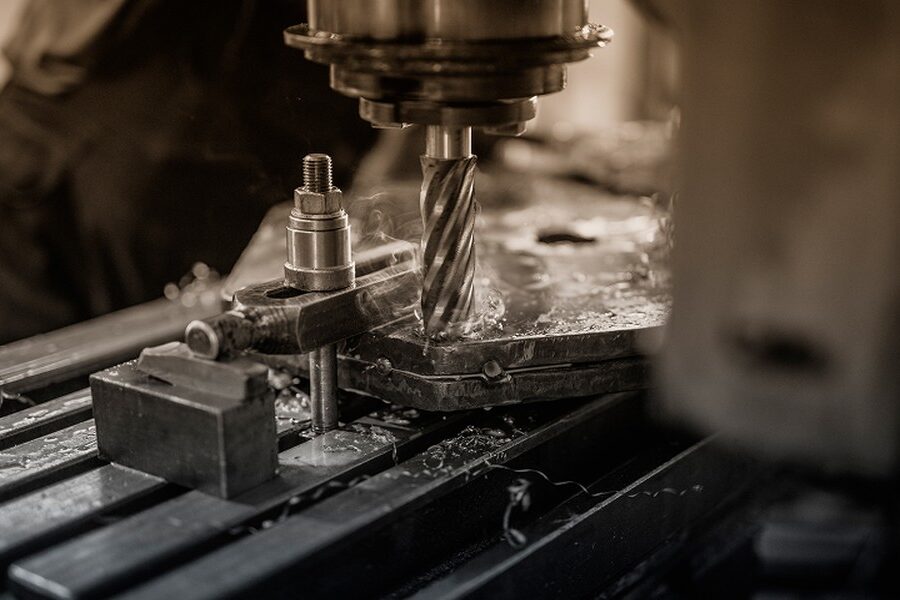
Medical devices often require extremely tight tolerances to function correctly within intricate assemblies. Components must align precisely, and even minor deviations can affect performance or safety. Advanced machining equipment allows manufacturers to achieve these specifications, yet maintaining such precision requires continuous monitoring and calibration. Operators must verify measurements at different stages to ensure consistency across production runs. Precision engineering companies in Singapore invest in high-accuracy systems to meet these requirements, which support reliable outcomes for complex components. Consistent tolerance control ensures that each part performs as intended without introducing variability into the final product.
5. Cleanroom Assembly and Controlled Packaging
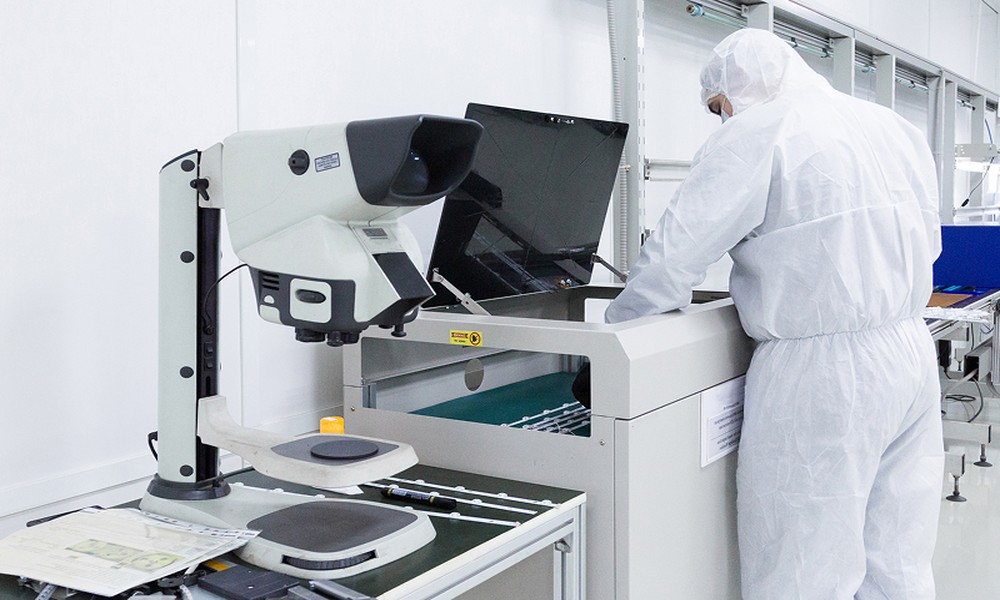
The final stages of production involve handling components in controlled environments that minimise exposure to contaminants. Cleanroom facilities maintain strict conditions that limit particles and biological matter, which helps preserve product integrity. During assembly, teams follow protocols that reduce the risk of introducing contaminants, ensuring that components remain suitable for medical use. Packaging then protects these parts during transport and storage, maintaining the conditions achieved in the cleanroom. Precision engineering companies in Singapore that provide these capabilities support compliance with medical standards while ensuring that products arrive ready for integration or use. These capabilities also make manufacturing outsourcing in Singapore a practical solution for businesses seeking dependable production support for medical device components.
Conclusion
Medical device machining requires more than technical capability, as it depends on structured processes that maintain safety and consistency throughout production. This is especially important for companies engaged in contract manufacturing in Singapore, where regulatory compliance and precision directly affect product reliability. Each standard contributes to a system that supports reliability, from initial material handling to final packaging. Businesses that understand these requirements can evaluate potential partners more effectively and ensure that manufacturing aligns with regulatory expectations and long-term product performance.
Contact Disk Precision Group – Singapore to discuss how precision engineering companies in Singapore can meet your medical device machining requirements with certified standards.