
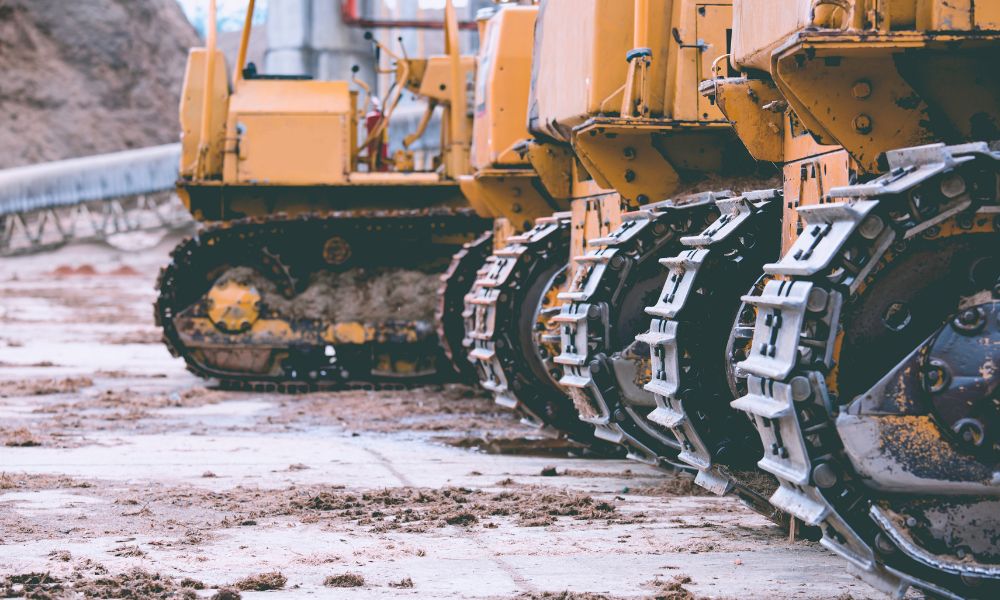

Most businesses replace the equipment rather than repairing it. No one wants to waste time on repairing equipment. Replacing the equipment itself is a common practice followed by most businesses. It may seem a reliable or easier option. However, constant replacement of equipment will become a financial burden.
It is crucial to take maintenance steps at regular intervals to maintain the efficiency and performance of the equipment. Repairing the equipment will increase its useful life. Implementing repair and reuse strategies can also help businesses reduce operational costs, minimise waste, and improve long-term equipment sustainability.
OBTAINING COST SAVINGS IN SHORT-TERM
Repairing equipment provides immediate short-term savings. It is always good to have cost savings in the short term. Purchasing new equipment will disrupt the working capital of a business. It leads to having more fixed assets in the business.
Repairs are a cost-effective method for conducting smooth operations for the equipment. It will keep the operations running without incurring huge capital expenditure on the business.
However, in some cases, due to recurring repairs, the businessmen opt for purchasing new equipment. This practice is only viable in some cases. It is always advisable to repair instead of replacing.
EXTENSION OF THE USEFUL LIFE
All equipment is designed to work for a specific time only. However, conducting timely repairs and maintenance could increase the useful life of the equipment.
Repair provides a greater return on investment when compared to replacing the equipment. Even if you replace the equipment now, it will require repair at some point in time. Repair is a recurring process that indirectly affects business profits. By opting for this method, businesses can get maximum returns from their investment for a longer time.
REDUCTION IN THE DOWNTIME
Replacement of equipment is not an easy process. It involves selecting the right equipment to place the order. This will disrupt the day-to-day activities of a business.
While repair is a fast process for any business. A skilled repairman identifies the problem and fixes the issue quickly. Reduction in downtime is vital for businesses that operate on a day-to-day basis. An unexpected downtime could stop the operation of a business, which can lead to a loss.
TAKING PREVENTIVE MEASURES
Maintenance and regular inspection take better care of the equipment. This is why most businesses prefer repairing rather than replacing. Preventive measures must be taken by all businesses to identify any issues at an early stage. This will allow the business to incur less expenditure.
This proactive approach will enable the equipment to run in good condition. It improves the reliability of the equipment. It majorly reduces the chance of unexpected failure of equipment.
CONCLUSION
All businesses must understand the benefits of repairing over replacing equipment. Repairs lead to incurring substantially less money when compared to replacing. It also increases the efficiency and lifespan of the equipment.