
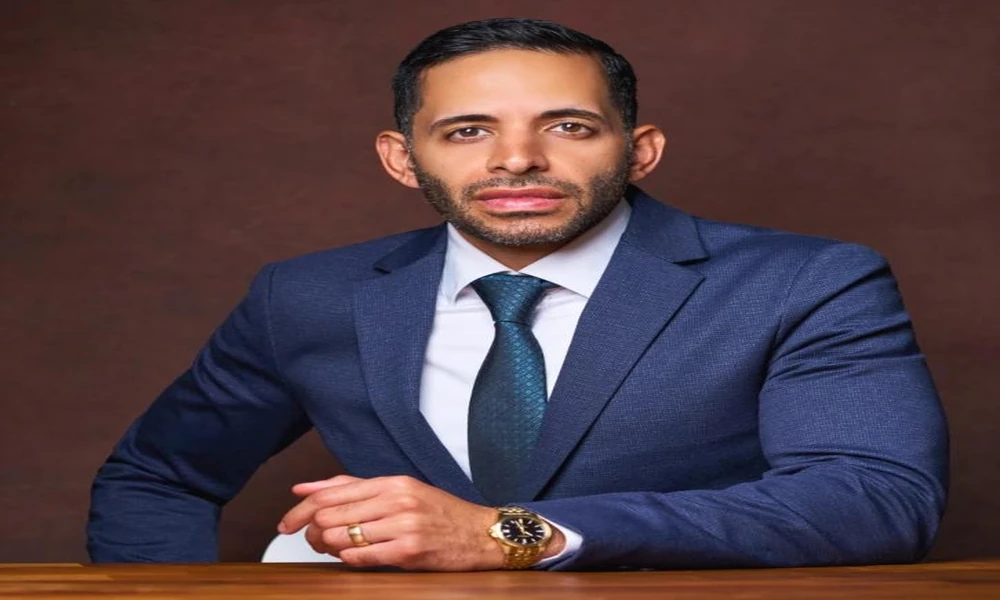

Nicholas Mukhtar was 22 and driving through Detroit when he saw children playing basketball with a deflated ball and two construction barrels standing in for hoops. He recounted the scene in a May 2026 column for the Cyprus Mail and treated it as evidence of a systems failure. “The kids weren’t failing. The infrastructure around them had failed a long time ago,” he wrote.
That was 2011. Within two years he had founded Healthy Detroit, a nonprofit that partnered with the Detroit Parks & Recreation Department to turn public parks into wellness centers. Residents could get free fitness classes, biometric screenings, immunizations, nutrition programs and referrals to social services. Mukhtar picked parks because they asked nothing of visitors: no appointment, no insurance card, no co-pay.
A Model Built to Repeat
Each HealthPark site followed a standard design. Residents received biometric assessments, reached partner services through an on-site virtual network and carried a “Healthy Detroit Passport” that tracked their participation. Individuals used the passport to follow their own progress, and the organization drew aggregate data from it. When one site lagged, staff could trace the problem to staffing, scheduling or partner coordination.
Mukhtar wrote that he designed the infrastructure for scale from the first day, since a program that worked in one park but couldn’t be copied across the city would reach few people.
Annual operating spending had reached roughly $15 million by 2017. APHA, the national public health association, gave the nonprofit its top organizational honor, and its work was featured in the U.S. Surgeon General’s 2014 Report to the President and Congress.
What Hopkins Added
Mukhtar enrolled at Johns Hopkins as a Bloomberg Fellow while still leading the organization and finished dual master’s degrees in public policy and public health by 2017.
His column credits epidemiology with a specific habit: mapping how upstream conditions produce downstream outcomes across a population. An epidemiologist facing a cluster of asthma cases, he wrote, starts by asking what is in the air and the housing stock before anyone prescribes an inhaler. He cites a 2025 paper in Frontiers in Health Services that describes systems thinking as a method that “enables policymakers to comprehend the interconnections within public health systems and anticipate the potential consequences of policy implementation.”
Carrying It Into Consulting
Mukhtar later moved into private-sector consulting, first through Healthy Communities in Washington, D.C., and then through his current firm. When a struggling company calls, he wrote, his first questions concern how it was built: what was designed on purpose, what was improvised and what nobody ever discussed.