
You make a product. Or you source ingredients from somewhere. Before you start production, you need to know what’s actually in those raw materials.
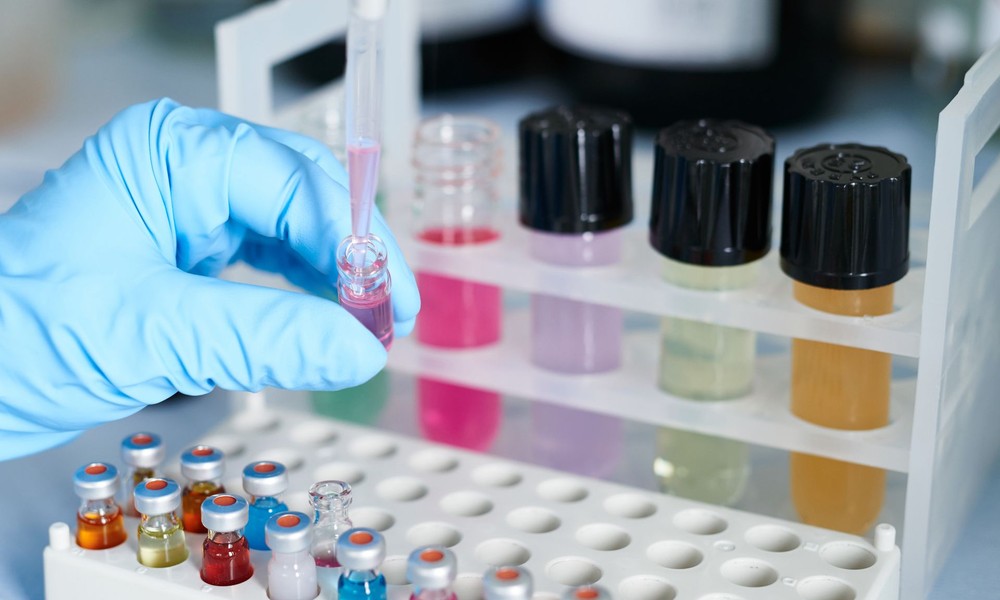
That’s where a chemical laboratory comes in.
But not all labs are the same. Picking the wrong one costs you time and money. It might even get your product rejected by regulators.
So how do you choose? Let me walk you through it.
Start with accreditation.
This is the most important step. You want a lab that follows proper standards. In Malaysia, look for accreditation from the Department of Standards Malaysia. Specifically, you want to see MS ISO/IEC 17025.
That number matters. It means the lab has been audited. Their methods are proven. Their results hold up in court or during a customs check.
If they don’t have this, walk away. No exceptions.
Know what you are testing.
Different labs focus on different things. Some are great at food ingredients. Others specialise in palm oil derivatives, heavy metals, or industrial chemicals.
Before you call anyone, write down your questions. What is the raw material? A powder, a liquid, a gas? What contaminants worry you? Pesticides? Microbes? Heavy metals?
A good lab will ask you these questions. If they don’t ask anything and just say “yes, we can do it,” be careful. Testing needs preparation. The lab needs to understand your material first.
Ask about turnaround time.
Raw materials sit in your warehouse. Your production line waits. Every day of delay adds cost.
So ask directly. “How many days from sample drop-off to results?”
A reasonable lab gives you a clear answer. Three working days. Five working days. Not “as soon as possible.”
And ask if they offer rush services. Sometimes you need results in 24 hours. That costs extra, but at least you have the option.
Consider location.
Malaysia is big. Shipping a chemical sample across states is a hassle. Heat can ruin some samples. Humidity can change them.
Find a chemical laboratory near your facility. Klang Valley has many good options. Penang and Johor have solid choices too.
Proximity saves you on courier costs. It also reduces the risk of your sample degrading during transit.
Get a written quote.
Ask for a quotation before you send anything. A proper lab gives you an itemised list. Preparation fee. Testing fee. Reporting fee. Certificate fee.
Some labs charge extra for a second test if the first result looks odd. Others include that in the package. Know which one you are getting.
And ask about sample storage. If they finish the test on Tuesday, what happens to the leftover material? Do they keep it for a week? A month? Do they destroy it immediately? This matters for liability.
Talk to the chemist, not just the salesperson.
This is a tip most buyers ignore. You call the lab. A friendly sales rep answers. They promise everything.
Ask to speak with the technical person. The actual chemist who will run your test.
A good lab allows this. A bad lab hides behind the front desk.
When you talk to the chemist, ask one simple question. “Have you tested this type of raw material before?”
If they hesitate, be careful. If they say yes and explain the process clearly, you are in good hands.
Check their sample rejection policy.
Here is something no one thinks about until it happens.
You send a sample. The lab says it cannot test it. Maybe the sample arrived too warm. Maybe the container was wrong. Maybe the material changed during shipping.
What happens then? Do you pay the full price? A partial fee? Nothing at all?
A transparent lab puts this in writing before you send anything. Do not assume. Ask directly.
Compare a few labs.
Do not pick the first one you find. Call three different labs. Ask them the same questions.
You will notice the difference immediately. One lab sounds organised. Another sounds confused. A third sounds too eager to please.
Trust the organised one. Even if they cost a bit more.
Think carefully about price.
Cheap labs are tempting. But raw material analysis is not the place to save money.
If one lab charges RM200 and another charges RM500, there is a reason. Maybe the cheap one skips quality controls. Maybe they use outdated equipment. Maybe they rush the work.
That said, expensive does not always mean better. Some labs overcharge because they have fancy branding. Do not pay for a nice website. Pay for a good reputation.
Ask other manufacturers in your industry. Word of mouth still works best in Malaysia.
Ask for a sample report.
Before you commit, ask to see a past report. Redact the client name if needed. You just want to see the format.
A good report is clear. It shows the method used. It shows the result. It shows the uncertainty margin. It has a signature and a date.
If the report looks messy or incomplete, do not use that lab.
Trust your gut.
After you check accreditation, location, price, and turnaround time, one thing remains. How do they treat you?
Do they answer your calls? Do they explain things without making you feel dumb? Do they follow up after the quote?
If something feels off, it probably is. Move on to the next lab.
Here is the short version.
Only labs with MS ISO/IEC 17025. They must understand your specific raw material. Clear turnaround time. Near your facility in Malaysia. Written quote with all fees listed. You get to talk to the actual chemist. Transparent policy on rejected samples. Compare a few labs before deciding. Reasonable price, but never the cheapest. A clean, professional sample report.
Take your time with this decision. A good chemical laboratory saves you from product recalls, fines, and lost customers. A bad one creates problems you cannot see until it is too late.
Now go make those calls. And remember to ask for the chemist.