
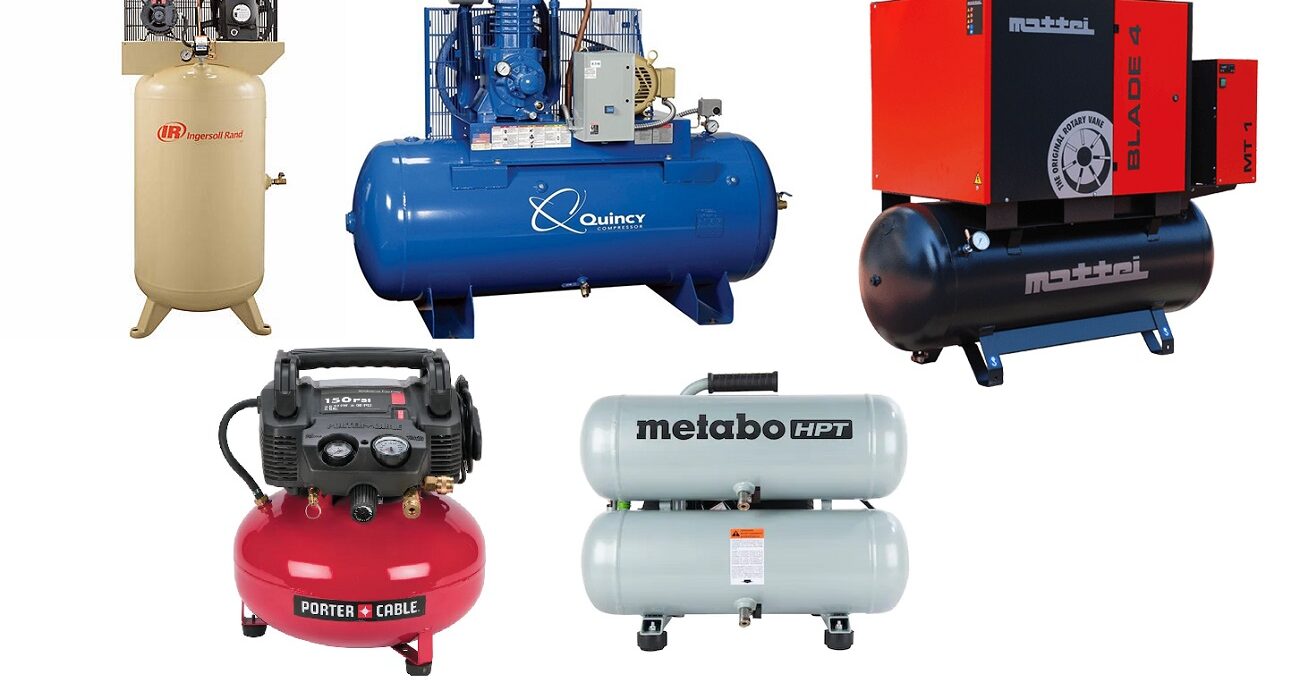

Choosing the right air compressor is an important decision for any business that relies on compressed air. From workshops and garages to manufacturing facilities, engineering companies, construction sites, and packaging environments, the correct compressor can improve productivity, reduce energy costs, and support reliable daily operations.
However, with different compressor types, sizes, pressure ratings, and system features available, it can be difficult to know where to start. Understanding your operational needs is the key to making a confident choice. If you are unsure which compressor to buy, it is worth considering how your equipment will be used, how much air demand you have, and what level of efficiency your business requires.
Why Choosing the Right Compressor Matters
An air compressor is more than a piece of equipment. It is often central to how a business operates. If the compressor is too small, it may struggle to keep up with demand, causing pressure drops, poor tool performance, and unnecessary strain on the system. If it is too large, it may waste energy and cost more to run than necessary.
The right compressor should match your working environment, application, air demand, and future growth plans. A well-chosen system can help reduce downtime, improve efficiency, and provide consistent performance over the long term.
Understand Your Air Demand
Before selecting a compressor, it is important to assess how much compressed air your business needs. This is usually measured in cubic feet per minute, often referred to as CFM. Different tools and processes require different levels of airflow.
For example, a small workshop using air tools occasionally will have different requirements from a manufacturing site running multiple pneumatic machines throughout the day. Businesses should consider how many tools or machines will be used at the same time, how long they will run, and whether demand is likely to increase in the future.
Choosing a compressor based only on current needs may limit your flexibility later, especially if your business is growing.
Consider the Required Pressure
Pressure is another key factor. This is usually measured in bar or PSI. Some applications need a steady, lower pressure, while others require higher pressure to operate effectively.
It is important to choose a compressor that can deliver the correct pressure consistently. If pressure drops during use, tools may become less efficient, production quality may suffer, and the compressor may have to work harder than it should.
A professional assessment can help ensure the selected system provides the right balance of pressure and airflow.
Choose the Right Compressor Type
Different compressor types suit different applications. Understanding the main options can make the decision easier.
Piston Compressors
Piston compressors are often used in smaller workshops, garages, and businesses with intermittent air demand. They are commonly suitable for occasional use and can be a practical choice for lower-volume applications.
Rotary Screw Compressors
Rotary screw compressors are designed for more continuous use. They are often found in industrial, manufacturing, and commercial settings where reliable air supply is needed throughout the working day. They are generally quieter and more efficient for sustained operation than piston models.
Oil-Free Compressors
Oil-free compressors are used where air purity is especially important. This can include food production, pharmaceuticals, electronics, and other sensitive environments. They help reduce the risk of oil contamination in the compressed air supply.
Think About Energy Efficiency
Energy efficiency should be a major consideration when choosing a compressor. Compressed air systems can consume a significant amount of electricity, so an inefficient system may become expensive to run.
The most efficient option is not always the cheapest upfront. A compressor that costs slightly more initially may save money over time if it uses less energy, requires fewer repairs, and performs more reliably.
Variable speed compressors can be useful for businesses with changing air demand, as they adjust output based on usage. This can reduce wasted energy and improve running efficiency.
Match the Compressor to Your Working Environment
The environment where the compressor will be installed also matters. Factors such as available space, ventilation, noise levels, temperature, and access for servicing should all be considered.
A compressor placed in a poorly ventilated area may overheat. A noisy model may not be suitable for a busy workshop or customer-facing environment. Limited access can also make servicing more difficult, which may increase maintenance time and costs.
Planning the installation properly can help avoid operational problems later.
Consider Maintenance and Servicing
Every air compressor needs regular maintenance to stay efficient and reliable. When choosing a compressor, businesses should consider how easy it is to service, whether replacement parts are readily available, and what support is offered by the supplier.
Regular servicing can help prevent breakdowns, protect key components, improve safety, and extend the lifespan of the equipment. Choosing a compressor from a trusted provider can make ongoing maintenance much easier.
Plan for Future Business Growth
A compressor should support your business not only today, but also in the future. If you expect to add more tools, expand production, increase working hours, or move into a larger facility, this should influence your decision.
Buying a system with no room for growth may mean needing an upgrade sooner than expected. On the other hand, selecting a much larger system than necessary can lead to wasted energy. The best option is one that balances current needs with realistic future demand.
Why Expert Advice Can Save Money
Choosing a compressor without professional guidance can lead to costly mistakes. A system that is poorly matched to your needs may increase running costs, cause performance issues, or require replacement sooner than expected.
Experienced compressed air specialists can assess your site, review your air demand, explain suitable options, and recommend a system that fits your budget and operational requirements. This can help you make a better long-term investment.
FAQ
What size air compressor do I need?
The right size depends on your air demand, pressure requirements, number of tools, and how often the compressor will be used. Businesses should assess both current and future usage before choosing a model.
Is a rotary screw compressor better than a piston compressor?
It depends on the application. Piston compressors are often suitable for occasional or lower-demand use, while rotary screw compressors are usually better for continuous commercial or industrial operation.
Should I choose an oil-free compressor?
Oil-free compressors are best for environments where air purity is essential, such as food production, pharmaceuticals, electronics, and sensitive manufacturing processes. For general workshop use, an oil-lubricated compressor may be suitable.
How important is energy efficiency when buying a compressor?
Energy efficiency is very important because compressors can use a lot of electricity. A more efficient system may reduce running costs and offer better long-term value.
Can I upgrade my compressor later?
Yes, but it is usually better to plan ahead. Choosing a system that allows for realistic business growth can help avoid unnecessary replacement costs in the future.
Conclusion
Choosing the right air compressor requires careful consideration of airflow, pressure, compressor type, energy efficiency, installation space, maintenance needs, and future growth. The best system is one that supports your daily operations while keeping running costs under control.
By taking the time to assess your requirements and seek expert guidance, your business can invest in a compressor that delivers reliable performance, improves efficiency, and supports long-term productivity.