
When equipment runs hot, heat escapes where you don’t want it. It wastes energy, damages nearby components, and puts workers at risk of burns. High temperature wrap insulation is one of the most practical ways to control that heat. It is flexible, quick to install, and suited to the awkward shapes found in industrial settings.
What Is High Temperature Wrap Insulation?
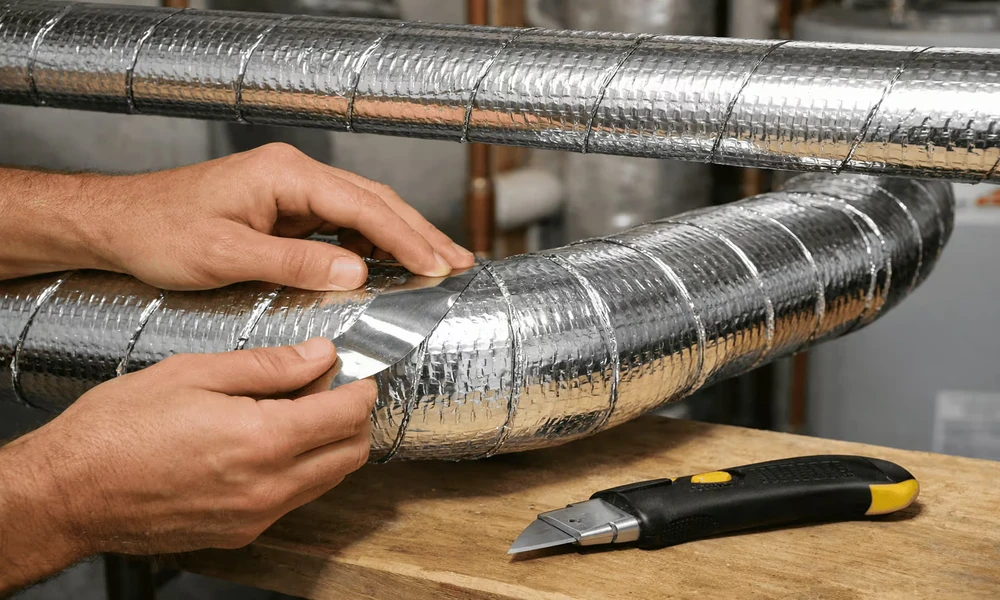
High temperature wrap insulation is a flexible thermal barrier that wraps around pipes, ducts, exhaust systems, valves, and machinery. Unlike rigid insulation boards, a wrap conforms to curves, bends, and irregular surfaces. That makes it a strong choice for retrofits and tight spaces.
These wraps are usually made from heat-resistant materials such as fiberglass, silica, or ceramic fibers. Many are finished with a coating or foil layer for added durability and heat reflection.
Key Benefits
Improved energy efficiency. Hot surfaces lose energy constantly. A quality wrap keeps heat where it belongs, so your system works less to maintain temperature. Over time, that can mean lower fuel or electricity costs.
Worker safety. Exposed hot surfaces are a common source of workplace burns. Insulation lowers surface temperatures and makes work areas safer.
Equipment protection. Radiant heat can degrade wiring, hoses, seals, and sensitive electronics near the source. A wrap shields these parts and helps extend their service life.
Easy installation. Because wrap insulation is flexible, it can often be cut to size and applied without major disassembly. That reduces downtime during maintenance or upgrades.
Where It’s Commonly Used
High temperature wrap insulation appears across many industries and applications:
- Steam and process piping
- Engine and turbine exhaust systems
- Boilers, furnaces, and kilns
- Power generation equipment
- Marine and automotive exhaust lines
- Foundries, refineries, and manufacturing plants
If a surface runs hot and needs protection, there is likely a wrap solution for it.
How to Choose the Right Wrap
Not every product fits every job. Before you buy, consider these factors:
- Operating temperature. Check the continuous and peak temperature ratings, and leave a safety margin.
- Environment. Moisture, chemicals, oil, vibration, and outdoor exposure all affect how a wrap performs over time.
- Thickness and density. Thicker, denser wraps generally insulate better, but they must fit your space.
- Durability. Heavy-duty applications call for wraps with reinforced or coated exteriors that resist abrasion and wear.
- Compliance. Confirm the product meets the safety standards your industry requires.
For demanding applications, a heavy-duty heat shield insulation solution built to handle extreme conditions is worth exploring.
Installation Tips
Proper installation matters as much as the product. Start with a clean, dry surface. Overlap the wrap evenly, secure it firmly with appropriate fasteners or ties, and seal all seams and ends. Gaps let heat escape and reduce performance. Always follow the manufacturer’s instructions and wear proper protective gear during installation.
Maintenance Matters
Inspect insulation regularly. Look for tears, compressed areas, moisture damage, or loose fastening. Replace damaged sections promptly so the system keeps its thermal performance and safety benefits.
Final Thoughts
High temperature wrap insulation is a cost-effective way to reduce energy loss, protect equipment, and create a safer workplace. By matching the product to your temperature range, environment, and durability needs, you get reliable performance for years. If you’re ready to upgrade your thermal protection, explore heavy-duty insulation options designed for tough industrial demands.