
Key Takeaways
- Aerospace components demand extreme precision, making CNC machining of aerospace parts highly complex and unforgiving.
- Material properties such as heat resistance and hardness create machining difficulties that standard processes cannot handle.
- Strict regulatory and quality requirements increase production pressure and risk of rejection.
- Advanced CNC machining services address these issues through technology, expertise, and process control.
Introduction
Aerospace manufacturing operates under conditions where errors are not tolerated. Components must meet strict dimensional tolerances, withstand extreme environments, and pass multiple quality checks. This instance creates several machining challenges that go beyond standard industrial requirements. Due to this, companies rely heavily on Computer Numerical Control (CNC) machining of aerospace parts, including precision CNC turning, to achieve repeatable accuracy and compliance. However, even with advanced systems, specific issues continue to affect production timelines, costs, and quality outcomes. Learning these challenges—and how professional CNC machining services address them—is essential for any aerospace project.
Challenge 1: Maintaining Ultra-Tight Tolerances
Aerospace components often require tolerances within microns. Any deviation can lead to performance issues or outright failure during operation. This instance becomes particularly challenging when machining complex geometries such as turbine blades or structural brackets. Thermal expansion during cutting, tool wear, and machine vibration all contribute to dimensional inconsistencies. Traditional machining setups struggle to maintain stability at this level of precision, especially over long production runs.
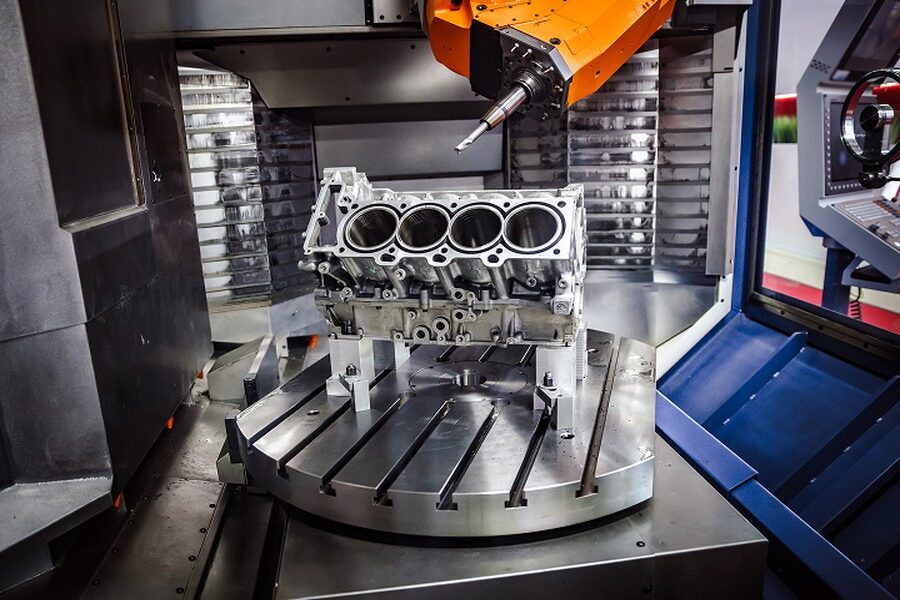
Advanced CNC machining services and specialised CNC turning service providers solve this through multi-axis machining centres, real-time monitoring, and automated tool calibration. High-end machines use thermal compensation systems to adjust for temperature changes during operation. Additionally, in-process inspection tools allow operators to measure parts without removing them from the machine, reducing alignment errors. That said, by combining precision equipment with controlled environments, CNC machining of aerospace parts can consistently meet strict tolerance requirements while minimising scrap rates.
Challenge 2: Machining Difficult Aerospace Materials
Aerospace parts are commonly made from materials such as titanium alloys, Inconel, and high-strength aluminium. These materials are selected for their durability and resistance to heat and corrosion, but they are notoriously difficult to machine. For example, titanium has low thermal conductivity, causing heat to concentrate at the cutting edge, which accelerates tool wear. Inconel hardens quickly during machining, increasing cutting resistance and reducing tool life.
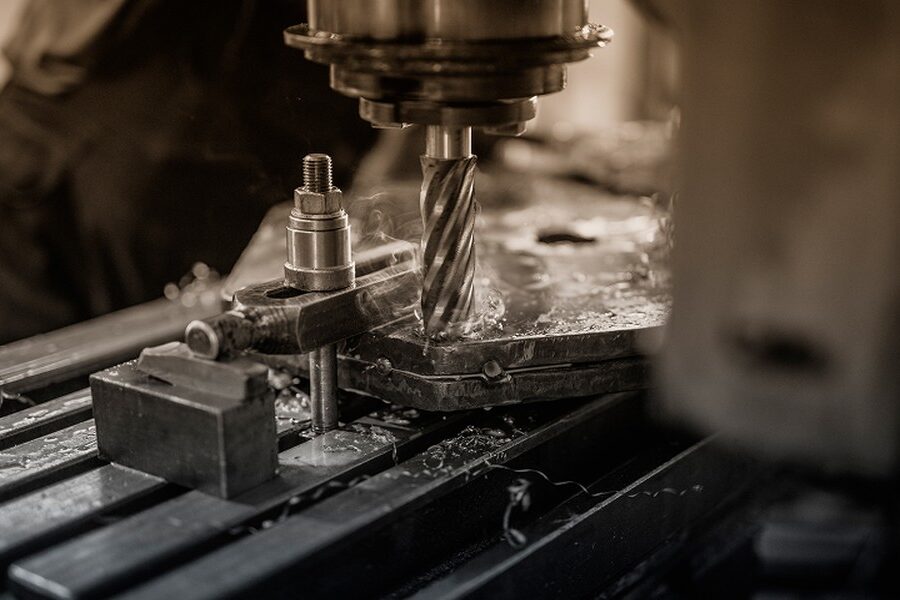
CNC machining services apply specialised tooling strategies and cutting parameters tailored to each material to address this concern. High-performance carbide or ceramic tools are used alongside optimised speeds and feeds to reduce heat build-up. Coolant systems, including high-pressure and cryogenic cooling, are introduced to manage temperature and extend tool life. Furthermore, toolpath optimisation software ensures efficient material removal without overloading the tool. These combined solutions allow CNC machining of aerospace parts to be produced efficiently despite challenging material properties.
Challenge 3: Meeting Strict Quality and Compliance Standards
The aerospace industry is governed by rigorous standards, including certifications such as AS9100. Every component must be traceable, documented, and verified through multiple inspection stages. Even minor defects can result in rejection, leading to costly rework or delays. Maintaining consistency across batches while meeting these requirements is a significant operational challenge.
Professional CNC machining services address this by integrating quality control into every stage of production. Digital manufacturing systems track each part from raw material to final inspection, ensuring full traceability. Coordinate measuring machines (CMM) and non-destructive testing methods are used to verify dimensions and structural integrity. In addition, standardised workflows and documentation processes ensure compliance with aerospace regulations. Through these measures, CNC machining of aerospace parts can consistently pass audits and meet industry expectations without compromising efficiency.
Conclusion
Machining for aerospace applications presents challenges that demand specialised solutions. Tight tolerances, difficult materials, and strict compliance requirements create a high-risk production environment. However, advanced CNC machining services mitigate these issues through precision technology, material-specific strategies, and integrated quality systems. That said, for aerospace manufacturers, partnering with capable machining providers is not optional—it is necessary to achieve reliability, consistency, and regulatory compliance in every component produced.
Precision is non-negotiable in aerospace—and neither is your machining partner. Contact Disk Precision Group – Vietnam today.