

Key Takeaways
- Collaborative robots (cobots) are becoming a staple in small and medium enterprises.
- Artificial Intelligence is enhancing the precision of quality control processes.
- Sustainability is driving a shift toward energy-efficient automated systems.
- Local government support continues to accelerate the adoption of smart technologies.
Introduction
Singapore has always been a little obsessed with the future. For a small island with no natural resources, staying ahead of the curve is not just a choice-it is a survival strategy. Lately, that strategy has been heavily focused on industrial automation. If you walk through the industrial estates in Jurong or Woodlands, you will see a massive shift in how things are made. We are moving away from labour-intensive tasks and toward high-tech, automated solutions. But what is actually driving this change? It is not just about replacing people with machines; it is about making work better, faster, and more sustainable. As a leading automation company in Singapore, we are seeing some fascinating trends that are changing the landscape of manufacturing and logistics. Let’s look at what is actually happening on the ground and why it matters for the local economy.
1. The Rise of Collaborative Robots
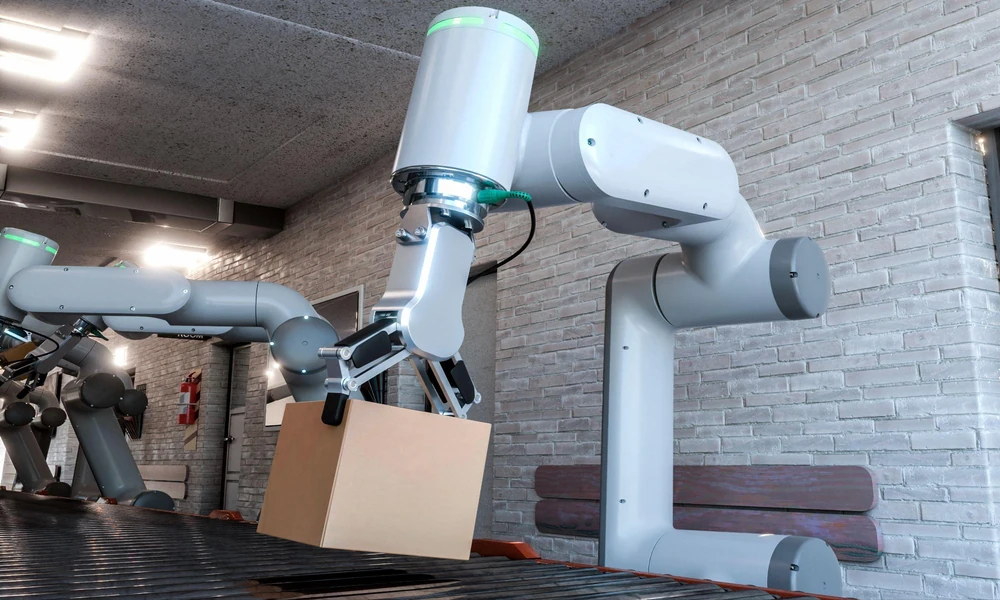
For a long time, industrial robots were scary, massive things kept behind yellow cages. If you got too close, you were in trouble. Today, the trend is moving toward “cobots.” These are collaborative robots designed to work right next to humans. They are smaller, smarter, and have sensors that stop them instantly if they touch a person. In Singapore, where space is tight and the labour market is even tighter, cobots are a game-changer. They handle the repetitive, boring, or physically straining jobs, like palletising heavy boxes or screwdriving, while the human workers focus on more complex tasks. It is a partnership that actually makes the workplace safer and more engaging. Small businesses, in particular, are finding these tools much more accessible than the giant systems of the past.
2. AI and Machine Learning Integration
We cannot talk about industrial automation without mentioning Artificial Intelligence. It is the secret sauce that turns a “dumb” machine into a smart one. In the past, if a machine encountered a slightly crooked part on a conveyor belt, it might jam or cause an error. Now, with AI-powered vision systems, the machine can “see” the problem and adjust its grip in real-time. It learns from its mistakes, too. This level of precision is vital for industries like electronics and pharmaceuticals, which are huge in Singapore. It reduces waste significantly because the system catches defects that the human eye might miss after eight hours on the job. Honestly, the accuracy we are seeing now was unthinkable just a decade ago. It is truly pushing the boundaries of what local factories can achieve.
3. Focus on Green Automation
Sustainability is no longer a buzzword; it is a core business requirement. Singapore is pushing hard toward its Green Plan 2030, and the automation industry is playing a huge role in that. Modern systems are designed to use less power and generate less heat. We are seeing a huge demand for an automation company in Singapore that can provide energy-efficient motors and smart sensors that shut down idle equipment. It is about doing more with less. When you automate your energy management, you are not just saving the planet; you are saving a significant amount of money on overhead. This trend is driven by both government regulations and a genuine desire from businesses to be more responsible. It is a win-win situation where efficiency and ethics meet.
4. The Push for Data-Driven Decision Making
The final trend is all about the data. Every automated machine generates a mountain of information every day. Smart companies are finally starting to use it. By connecting all their machines to a central network, often called the Industrial Internet of Things (IIoT), managers can see exactly where the bottlenecks are. They can predict when a part is about to fail before it actually breaks. This “predictive maintenance” is a massive trend in Singapore right now because it prevents unplanned downtime. It turns a factory from a collection of isolated machines into a single, living organism that communicates its needs. In a city where every minute of productivity counts, this level of insight is absolutely priceless.
Conclusion
The automation landscape in Singapore is evolving at a breakneck pace. From cobots that assist our workers to AI that ensures perfect quality, the tools at our disposal are becoming more sophisticated every day. For any business looking to thrive in this environment, staying informed about these trends is essential. Industrial automation is not just about the technology itself; it is about how we use that technology to solve real-world problems and build a more resilient economy. Whether you are a small workshop or a massive multinational, the future is looking increasingly automated. It is an exciting time to be part of this industry as we watch these trends redefine what is possible in the heart of Southeast Asia.
Looking to upgrade your production line with the latest tech? Contact YT Automation to see how we can help your business grow.