
Fencing is often one of the final elements installed on a site, but it plays an important role from day one. The right solution can improve security, control access, protect equipment, define boundaries, and create a more professional finished environment.
For commercial properties, housing developments, schools, and construction sites, choosing the right fencing contractor is about more than selecting a fence type. It requires careful planning, dependable installation, and a solution that suits the site’s long-term needs.
Start With the Purpose of the Fence
Before requesting quotations, identify what the fencing needs to achieve. Different sites have different priorities, and the most suitable material will depend on how the area is used.
Common purposes include:
- Securing a commercial yard or industrial site
- Protecting a construction site from unauthorised access
- Creating safe boundaries around schools and public spaces
- Dividing residential plots on a housing development
- Controlling vehicle and pedestrian access
- Screening storage areas, plant equipment, or waste facilities
- Marking boundaries between neighbouring land
A clear brief helps contractors recommend a practical option rather than a one-size-fits-all solution.
Choose a Fencing Type That Matches the Site
Commercial fencing should balance appearance, durability, security, and maintenance. The right choice may also need to meet specific operational or safety requirements.
Timber Fencing for Residential and Decorative Boundaries
Timber fencing is often used around new-build homes, housing developments, landscaped areas, and properties where a natural finish is preferred. Closeboard fencing and timber panels can provide privacy and definition while blending well with gardens and outdoor spaces.
It is important to use suitable treated timber and strong posts, especially where the fence will be exposed to wind, regular use, or damp ground conditions.
Security Fencing for Higher-Risk Areas
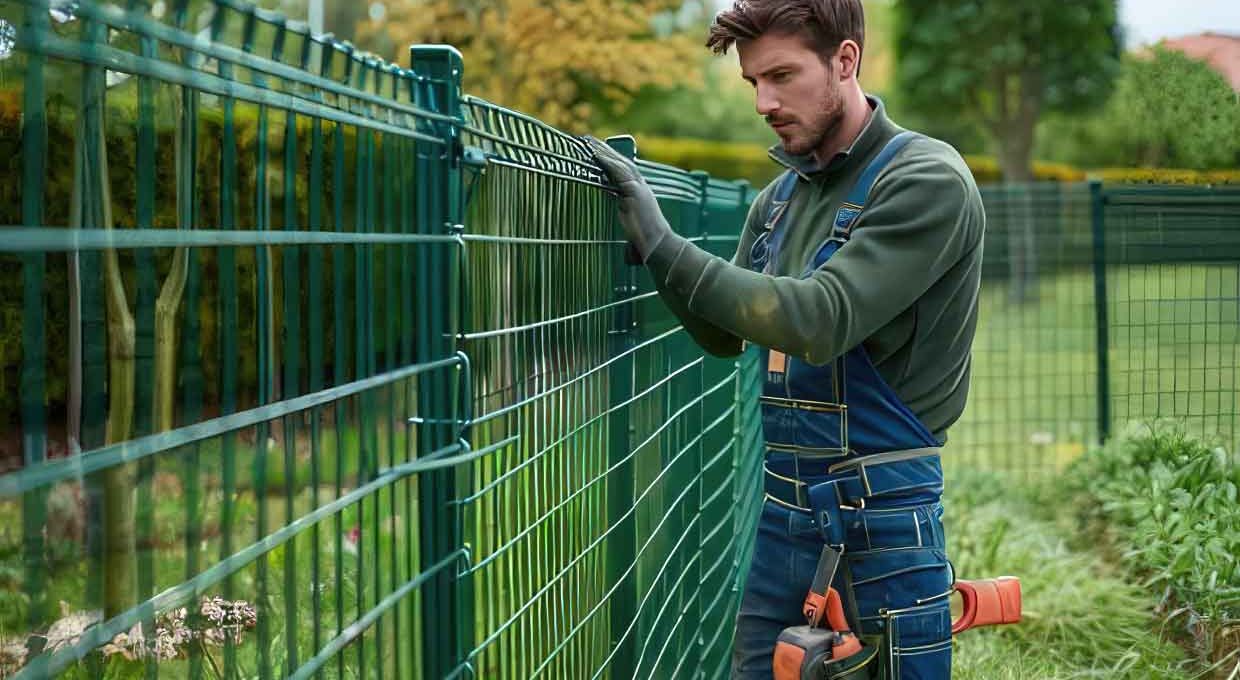
Sites containing vehicles, stock, machinery, or valuable equipment may need a more robust security solution. Steel palisade fencing, welded mesh, and other security fencing systems can make unauthorised access more difficult while maintaining visibility across the perimeter.
Security fencing is commonly used around industrial premises, utility areas, commercial yards, and storage compounds. Gates and access-control arrangements should be planned alongside the fence to avoid weak points in the boundary.
Chain Link Fencing for Flexible Perimeters
Chain link fencing is a versatile option for larger areas, sports spaces, agricultural land, and temporary or lower-security boundaries. It is often valued for its straightforward installation, durability, and ability to secure an area without blocking light or sightlines.
The final specification should consider the required height, mesh gauge, gates, and whether additional measures are needed to deter climbing or intrusion.
Consider Access, Ground Conditions, and Site Logistics
A fencing project can be affected by much more than the fence itself. Access for machinery, underground services, uneven ground, drainage, and neighbouring boundaries can all influence the installation process.
Before work begins, a contractor should understand:
- The exact line and length of the required boundary
- Ground levels and difficult terrain
- Vehicle access and delivery arrangements
- Existing buildings, trees, utilities, and drainage
- Whether the site will remain operational during installation
- Required gates for pedestrians, vehicles, or emergency access
For busy construction or commercial sites, good scheduling is especially important. Fencing work may need to be coordinated with other trades, deliveries, and site safety arrangements.
Ask the Right Questions Before Appointing a Contractor
A quotation should clearly explain what is included. Rather than comparing price alone, look at the materials, installation method, timescale, and level of site support offered.
Ask prospective contractors:
- What fencing system do you recommend and why?
- Are materials, posts, gates, and fixings included in the quote?
- How will the installation be managed around other site activity?
- What preparation or groundworks are required?
- How long will the project take?
- What happens if site conditions change?
- Can they provide experience relevant to your sector?
Established fencing contractors can help commercial clients, house builders, schools, and housing associations select and install suitable timber, security, palisade, chain link, and site-hoarding solutions.
Do Not Overlook Gates and Site Hoarding
A secure boundary is only effective if access points are equally well planned. Gates should be suitable for the people and vehicles using them, with reliable hinges, locking systems, and clear opening widths.
For active construction projects, site hoarding may also be needed to create a secure perimeter, improve privacy, and protect members of the public from site activity. Well-installed hoarding can also provide a cleaner, more professional appearance while a project is underway.
Plan for Maintenance and Long-Term Performance
Even durable fencing benefits from routine checks. Inspect boundaries regularly for loose fixings, damaged panels, leaning posts, corrosion, or signs of unauthorised entry.
Early repairs can prevent small issues from becoming larger security or safety concerns. This is particularly important for schools, housing developments, and commercial sites where damaged fencing may create risks for users or visitors.
FAQ
What type of fencing is best for a commercial property?
It depends on the site’s security needs, location, appearance requirements, and budget. Timber fencing may suit residential developments, while steel palisade or security fencing is often more appropriate for higher-risk commercial areas.
How long does commercial fencing installation take?
Timescales vary according to the size of the site, ground conditions, access, fence type, and whether gates or hoarding are included. A contractor can provide a clearer programme after assessing the project.
Is site hoarding different from permanent fencing?
Yes. Site hoarding is commonly used as a temporary solid perimeter around construction works, while permanent fencing is designed for longer-term boundary, security, or access-control needs.
Should gates be included in the fencing plan?
Yes. Gates should be planned from the start so that pedestrian access, vehicle movement, security, and emergency routes all work effectively.
Conclusion
A well-planned fencing project protects a site, improves its appearance, and supports safer day-to-day operations. By defining your requirements early, choosing materials suited to the environment, and working with an experienced contractor, you can create a boundary that delivers reliable performance for years to come.